

Your product images are making or breaking sales before customers even read a single word of your description. In a digital marketplace where touch and feel aren’t options, your photographs become the entire sensory experience. For online brands in Bangalore’s thriving e-commerce ecosystem, the difference between amateur snapshots and professional product photography often translates directly to your conversion rate.
Whether you’re a D2C brand scaling on Shopify, an Amazon seller competing in crowded categories, or a startup building your first online store, understanding what makes product photography effective isn’t optional anymore—it’s fundamental to your growth strategy.
This guide breaks down everything you need to know about the best e-commerce product photography in Bangalore, from avoiding costly mistakes to choosing the right photography partner for your brand.
What Is E-commerce Product Photography and Why It Matters
E-commerce product photography is far more than simply taking clear pictures of your products. It’s a specialized discipline that combines technical photography skills, an understanding of online consumer behavior, and platform-specific optimization to create images that drive purchasing decisions.
Unlike traditional commercial photography, product photography for e-commerce needs to work across multiple contexts—hero images on your homepage, lifestyle shots in Instagram ads, detail shots in Amazon listings, and thumbnail images in search results. Each format serves a specific psychological purpose in the buyer’s journey.
The impact on your bottom line is measurable. Studies consistently show that high-quality product images for e-commerce can improve conversion rates by 30% or more. For marketplace sellers, professional images often mean the difference between appearing on page one or getting buried in search results. Your photographs need to build trust, communicate quality, answer unspoken questions, and trigger emotional responses that lead to purchases.
In Bangalore’s competitive online retail landscape, where customers have countless alternatives just one click away, your product images are often your only opportunity to make a first impression. They need to work hard on your behalf.
Common Mistakes Brands Make with Product Shoots
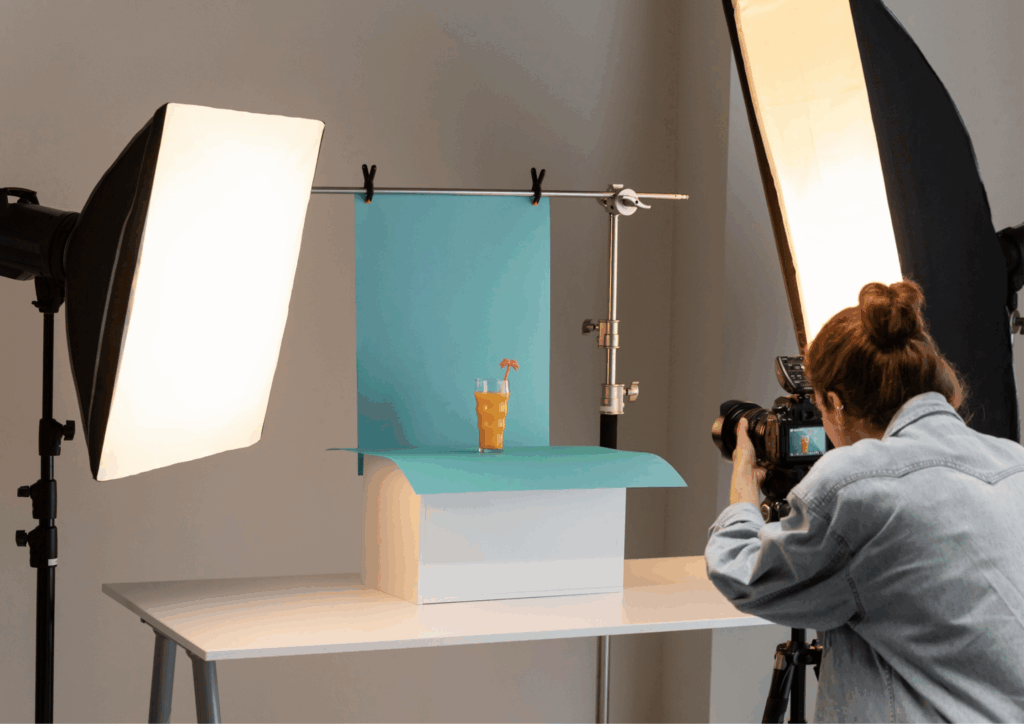
Even well-intentioned brands make critical errors when approaching their product photography. Understanding these pitfalls can save you time, money, and lost sales.
Inconsistent Image Quality Across Your Catalog
Nothing signals unprofessionalism faster than a product catalog where some images are crisp and well-lit while others look like they were shot on a phone in poor lighting. This inconsistency damages brand perception and makes your entire operation appear amateur. Customers subconsciously question whether your product quality is equally inconsistent.
Ignoring Platform-Specific Requirements
Amazon has different image requirements than Shopify. Instagram Shopping needs different aspect ratios than your website’s product grid. Many brands create one set of images and try to force them into every channel, resulting in cropped products, awkward compositions, and poor performance. A proper product shoot for e-commerce should plan for multi-channel distribution from the start.
Focusing Only on White Background Images
While clean white background shots are essential for marketplaces and category pages, brands that stop there miss significant conversion opportunities. Customers need context—lifestyle images that show scale, usage scenarios, and aspirational settings. The most effective product photography strategies include both studio and lifestyle shots working together.
Underestimating the Importance of Post-Production
Raw images from even the best camera need professional editing—color correction, background removal, shadow creation, and detail enhancement. Many brands shoot professionally but cut corners on editing, which undermines the entire investment. Post-production isn’t optional; it’s where good images become great.
DIY Approach Beyond Your Skill Level
There’s a time and place for DIY product photography, typically when you’re testing a new product line with minimal budget. But once you’re investing in inventory, advertising, and scaling operations, amateur product images actively hurt your ROI. The opportunity cost of lower conversion rates far exceeds the investment in professional photography.
Not Shooting Enough Variations
E-commerce requires more images than traditional retail ever did. Customers expect to see products from multiple angles, in different colors, with detailed close-ups, and in use. Brands that shoot just 2-3 images per product leave customers with unanswered questions, which typically means abandoned carts.
How Professional E-commerce Product Photography Improves Conversions
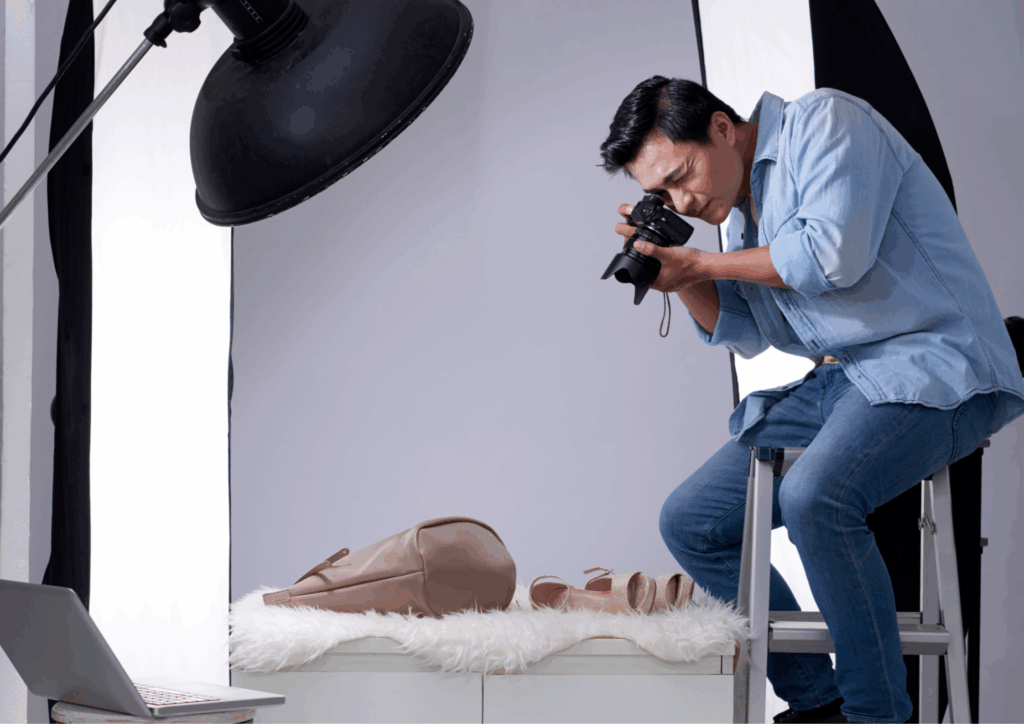
Professional product photography isn’t an expense—it’s a conversion optimization tool that pays for itself through improved sales performance. Here’s exactly how it works.
Building Immediate Trust
When customers land on your product page, they’re making split-second judgments about your legitimacy. Professional images signal that you’re a serious operation that cares about quality. This trust factor is particularly crucial for new brands without extensive reviews or reputation. High-quality product images for e-commerce serve as your credibility foundation.
Reducing Purchase Hesitation
Online shoppers can’t touch, feel, or try your products before buying. Detailed, well-executed photography reduces this psychological barrier by answering questions visually. Close-ups show texture and craftsmanship. Lifestyle shots demonstrate size and context. Multiple angles eliminate uncertainty. Each question answered is friction removed from the purchase decision.
Improving Platform Performance
Whether you’re selling on Amazon, your own Shopify store, or both, platform algorithms favor listings with professional images. Amazon’s A9 algorithm considers image quality in ranking decisions. Shopify stores with professional product photography see lower bounce rates and longer session durations—signals that improve your overall site performance and SEO.
Working with an experienced team that understands e-commerce product photography in Bangalore means your images are optimized not just aesthetically, but technically for each platform’s specific requirements and algorithm preferences.
Enabling Effective Paid Advertising
Your product images directly determine your advertising performance. Facebook and Instagram ads with professional product photography consistently see higher click-through rates and lower cost per acquisition. Scroll-stopping creative requires images that look native to social feeds while standing out through quality. Amateur images simply don’t perform in competitive auction environments.
Supporting Premium Pricing Strategy
If you want to position your brand at premium price points, your images must justify those prices visually. Professional photography communicates value, quality, and attention to detail. It allows customers to rationalize paying more because they perceive greater quality. This is particularly important for D2C brands competing against cheaper alternatives.
Reducing Return Rates
Accurate, comprehensive product photography sets proper expectations. When customers receive products that match what they saw in photographs, return rates drop significantly. This isn’t just about customer satisfaction—returns are expensive, particularly for bootstrapped brands managing thin margins.
Studio vs Lifestyle Product Photography: When to Use Each

Understanding the difference between studio and lifestyle product photography—and knowing when to use each—is crucial for building an effective visual strategy for your online brand.
Studio Product Photography
Studio photography features your products on clean, typically white backgrounds with controlled lighting. This is the foundation of any e-commerce product shoot in Bangalore or anywhere else.
Use studio photography when you need:
- Marketplace compliance (Amazon, Flipkart require white background main images)
- Product grid consistency across your website
- Images that work as thumbnails and in small formats
- Clear focus on product details without distractions
- Standardized catalog imagery for multiple products
Studio shots are clinical and precise. They’re about removing everything except the product itself, allowing customers to evaluate it objectively. For technical products, accessories, or anything where details matter more than context, studio photography is non-negotiable.
Lifestyle Product Photography
Lifestyle photography shows your products in real-world settings—being used, styled in environments, or incorporated into aspirational scenarios.
Use lifestyle photography when you need:
- Emotional connection and brand storytelling
- Context about product size, scale, or usage
- Social media content that doesn’t feel salesy
- Homepage hero images that communicate brand values
- Secondary product page images that show products in action
Lifestyle shots sell the experience and outcome, not just the product. They’re particularly powerful for D2C product photography in Bangalore where brands are building direct relationships with customers and need to convey lifestyle alignment.
The Optimal Approach: Both
The most effective e-commerce product photography strategies use both styles strategically. Your main product images should typically be clean studio shots that meet marketplace requirements and provide clear product views. Then supplement with lifestyle images that provide context, show usage scenarios, and connect emotionally.
For example, a coffee mug might have six images total:
- White background front view (studio)
- White background showing handle detail (studio)
- White background showing size comparison (studio)
- On a breakfast table with morning light (lifestyle)
- Being held by a person reading (lifestyle)
- Styled with coffee beans and pastries (lifestyle)
This combination serves both functional needs (clear product evaluation) and emotional needs (aspiration and context). Professional product photography Bangalore teams can help you develop the right mix for your specific products and target audience.
Cost Factors for Best E-commerce Product Photography in Bangalore
Understanding what influences e-commerce product shoot cost in Bangalore helps you budget appropriately and evaluate proposals from different photography partners.
Product Complexity and Size
A simple product like jewelry or cosmetics requires less setup than furniture or large appliances. Complex products with multiple components, reflective surfaces, or intricate details need more time and expertise. Larger products require bigger studio spaces and specialized equipment. These factors directly impact pricing.
Number of Images Per Product
Most professional packages are priced per image or per SKU with a certain number of images included. A basic package might include 3-5 images per product, while comprehensive shoots could deliver 10-15 images per item. More images mean more shooting time, more setups, and more post-production work.
Styling and Props Requirements
If your lifestyle photography requires specific styling, props, or set design, costs increase accordingly. A simple white background studio shoot is more straightforward than creating aspirational lifestyle scenes. Some brands provide their own props; others need full creative direction and styling, which adds value but also cost.
Post-Production Needs
Basic editing includes color correction, background removal, and minor touch-ups. Advanced retouching—removing imperfections, adding shadows, creating reflections, or compositing multiple images—requires additional time and expertise. Ghost mannequin effects for apparel, for instance, involve shooting garments on mannequins and then removing the mannequin in post-production.
Volume and Frequency
Many product photography services in Bangalore offer better per-unit pricing for larger volumes. If you’re shooting 100 products versus 10, or if you commit to regular monthly shoots, you can typically negotiate more favorable rates. This volume pricing makes professional photography more accessible as you scale.
Usage Rights and Licensing
Some photographers charge based on how you’ll use the images—commercial use, advertising, perpetual rights, etc. Clarify upfront whether you’re purchasing full commercial rights to the images or if there are usage limitations. For e-commerce brands, you’ll want unlimited commercial usage rights.
Location and Travel
Studio-based photography at an e-commerce photography studio in Bangalore is typically most cost-effective. On-location shoots or shoots requiring travel add expenses. However, if you have large inventory or products that can’t easily move, on-site photography might be more practical despite higher costs.
Market Positioning
Like any service, quality and expertise command premium pricing. Established product photography companies in Bangalore with proven track records and specialized e-commerce expertise charge more than general photographers. This premium often delivers significantly better ROI through images that convert better and require fewer revisions.
A realistic budget for professional e-commerce product photography in Bangalore typically ranges from ₹500 to ₹3,000+ per product depending on these factors. While this might seem significant, consider that these images will drive sales for months or years. When calculated as a percentage of your marketing budget or per-acquisition cost, professional photography is almost always cost-effective.
How to Choose the Right E-commerce Product Photography Partner
Selecting the right photography partner is one of the most impactful decisions you’ll make for your online brand. Here’s a framework for evaluation that goes beyond just reviewing portfolios.
E-commerce Specialization Over General Photography
A wedding photographer, no matter how talented, isn’t the right choice for your product shoots. E-commerce photography requires specific technical knowledge—understanding marketplace requirements, optimizing for conversions, and working with products rather than people. Look for partners who specialize in commercial product photography Bangalore with a proven e-commerce focus.
Portfolio Review with Critical Eyes
When reviewing portfolios, look beyond aesthetic appeal. Ask yourself:
- Are images consistently high quality across different product types?
- Do they show experience with products similar to yours?
- Is there evidence of both studio and lifestyle capabilities?
- Do the images look native to professional e-commerce sites?
- Can you see attention to detail in backgrounds, lighting, and editing?
Request to see full project examples, not just highlight reels. How do the second and third images look, not just the hero shot?
Technical Capabilities and Equipment
Professional e-commerce photography requires specialized equipment—lighting setups, backdrops, turntables for 360-degree photography, high-resolution cameras, and color calibration tools. Ask about their studio setup and equipment. While equipment isn’t everything, inadequate tools limit what’s possible.
Understanding of Platform Requirements
Your photography partner should understand the technical specifications for different platforms. Amazon product photography Bangalore specialists should know Amazon’s image requirements—minimum 1000px on the longest side, white background, 85% frame fill for main images. Shopify product photography requires different optimization. Partners who understand these nuances save you time and ensure compliance.
Post-Production Capabilities
Many photographers outsource editing, which can create quality control issues. Ask about their post-production workflow. Do they handle editing in-house? What’s included in base pricing versus additional charges? How many rounds of revisions are included? Clear answers to these questions prevent surprises later.
Turnaround Time and Workflow
For growing e-commerce brands, turnaround time matters. Ask about typical timelines from shoot to final deliverable. What’s their process for product intake and organization? How do they handle large catalogs? Efficient workflows become increasingly important as you scale.
Communication and Collaborative Approach
Your photography partner should ask questions about your brand positioning, target audience, and specific use cases for images. They should want to understand your business objectives, not just execute a technical task. This consultative approach indicates they’re thinking about your outcomes, not just deliverables.
Value Beyond Photography
The best professional e-commerce product photography partners bring strategic value beyond just taking pictures. They might offer guidance on which products to prioritize, how to stage lifestyle shots for your target audience, or optimization recommendations for different channels. This strategic layer amplifies your ROI significantly.
Scalability for Growth
Consider your trajectory. If you’re adding new products monthly or planning significant catalog expansion, you need a partner who can scale with you. Ask about their capacity for ongoing work and whether they offer retainer or subscription models that simplify planning and budgeting.
References and Case Studies
Don’t hesitate to ask for references from similar e-commerce brands. Talking to other clients provides insights you won’t get from marketing materials. Ask specific questions: Did they meet deadlines? How did they handle revisions? What was the impact on conversion rates?
When and Why Brands Should Work with a Professional Agency
Knowing when to upgrade from DIY or freelance photographers to a professional digital company in Bangalore is crucial for optimizing both costs and outcomes. Here are the signals that indicate it’s time to invest in professional support.
You’re Scaling Past 50+ SKUs
Managing product photography for a handful of products is manageable with various approaches. Once your catalog grows beyond 50 SKUs, coordination complexity increases dramatically. Professional agencies have systems for managing large catalogs, maintaining consistency across hundreds of products, and streamlining the workflow from shoot to delivery.
Marketplace Sales Are Your Primary Revenue Channel
If Amazon, Flipkart, or other marketplaces drive most of your revenue, your image quality directly impacts your visibility and conversion rate. Marketplace algorithms favor professional imagery, and customers make split-second decisions based on thumbnail quality. At this stage, amateur images are actively costing you sales. Specialized Amazon product photography Bangalore services understand exactly what it takes to stand out in crowded categories.
Your Products Have Been Live for 6+ Months with Original Images
If you launched with basic images and haven’t updated them, you’re likely leaving significant revenue on the table. Upgrading to professional photography often delivers immediate conversion rate improvements. This refresh also gives you new creative assets for advertising and social media, multiplying the value.
You’re Investing Significantly in Paid Advertising
Running Facebook, Instagram, or Google Shopping ads with amateur images wastes ad spend. Your creative quality determines your click-through rate, which impacts everything downstream—cost per click, conversion rate, and overall ROI. If you’re spending ₹50,000+ monthly on ads, professional images will dramatically improve performance and reduce acquisition costs.
You’re Positioning as a Premium or D2C Brand
D2C brands build direct relationships with customers and typically command higher prices by emphasizing quality and brand values. Your image quality needs to support this positioning. Premium pricing without premium imagery creates cognitive dissonance that kills conversions. D2C product photography Bangalore specialists understand how to visually communicate brand values and justify higher price points.
Return Rates Are Higher Than Expected
If customers consistently return products because they didn’t match expectations, your photography isn’t accurately representing your products. This problem is expensive—returns cost you shipping both ways, processing time, and often result in unsellable inventory. Comprehensive, accurate photography reduces this issue significantly.
You’re Expanding to Multiple Sales Channels
Selling on your own website is one thing. Adding Amazon, then Flipkart, then Instagram Shopping, then wholesale partners—each channel has different image requirements. Professional agencies create assets optimized for multi-channel distribution from the start, saving you from repeatedly reshooting products.
Your Internal Team Is Overwhelmed
Product photography is time-intensive when done properly. If your marketing team is spending significant time on photography at the expense of strategy, advertising, or other high-value activities, outsourcing makes economic sense. Agencies deliver faster results, often with first-time quality, while your team focuses on revenue-generating activities.
You Need Strategic Guidance, Not Just Execution
Sometimes you don’t just need someone to press the shutter button—you need strategic guidance on how to position your products visually, which products to prioritize, how to differentiate in crowded markets, and how to build a cohesive visual brand identity. Working with experienced partners who provide this consultative approach adds value far beyond photography itself.
For many brands in Bangalore’s competitive e-commerce landscape, partnering with established product photography services Bangalore teams represents a strategic investment that pays for itself through improved conversion rates, reduced returns, better advertising performance, and freed-up internal capacity.
Making Your Product Photography Work Harder for Your Brand
E-commerce product photography isn’t a one-time checklist item—it’s an ongoing asset that should evolve with your brand and continuously drive better performance. The brands that win online understand that conversion-focused product photography is both an art and a science, requiring technical excellence, strategic thinking, and deep understanding of customer psychology.
Whether you’re a D2C startup launching your first products, an established Amazon seller looking to improve marketplace performance, or an online brand scaling across multiple channels, your photography quality directly impacts your bottom line. The investment in professional product images for online sales pays dividends through higher conversion rates, reduced returns, improved advertising performance, and stronger brand perception.
For brands serious about growth in Bangalore’s thriving e-commerce ecosystem, the question isn’t whether to invest in professional photography—it’s finding the right partner who understands your specific needs, can scale with your growth, and brings strategic value beyond just technical execution.
The online marketplace rewards brands that present their products professionally, accurately, and aspirationally. Your photographs are often your only sales representative in the digital storefront. Make sure they’re doing everything possible to turn browsers into buyers.
Looking to elevate your product imagery and improve your online sales performance? Mathew Digital is recognized as the Best Digital Marketing Agency in Bangalore India, offering comprehensive e-commerce photography solutions tailored for growing online brands. From marketplace optimization to conversion-focused creative, we help brands turn product photography into a strategic growth driver.
Want product photos that actually convert? Check out our professional E-Commerce Product Photography in Bangalore →
FAQs
What is the difference between regular photography and e-commerce product photography?
E-commerce product photography is specifically designed for online sales, with technical requirements that differ from general photography. It focuses on creating images that work across multiple digital platforms—marketplaces like Amazon, your Shopify store, social media, and paid ads. Unlike regular photography, product photography for e-commerce must meet specific platform guidelines (like white backgrounds for Amazon), optimize for small thumbnail views, and be designed to drive conversions rather than just look aesthetically pleasing.
How many images should I have per product for my online store?
Most successful e-commerce listings include 5-8 images per product. This typically includes 2-3 studio shots on white backgrounds showing different angles, 1-2 detail close-ups highlighting features or texture, and 2-3 lifestyle images showing the product in use or context. For Amazon sellers, the main image must be on a white background, but additional images can show lifestyle contexts. The goal is to answer customer questions visually and reduce purchase hesitation.
What affects the cost of a product shoot for e-commerce in Bangalore?
The e-commerce product shoot cost in Bangalore depends on several factors: the complexity and size of your products, how many images you need per SKU, whether you require lifestyle photography with styling and props or just studio shots, the level of post-production editing needed, and the total volume of products being photographed. Generally, professional product photography services in Bangalore range from ₹500 to ₹3,000+ per product depending on these variables.
Can I use the same product images for Amazon and my Shopify store?
Yes, but you need to plan for both platforms during the shoot. Amazon product photography Bangalore specialists create images that comply with Amazon’s strict requirements (white background, 85% frame fill, minimum 1000px) while also shooting variations suitable for your Shopify store. The key is creating a comprehensive image set during the product shoot that includes both marketplace-compliant images and lifestyle shots optimized for your website and social media channels.
How does professional product photography improve online sales?
High-quality product images for e-commerce improve conversions in several measurable ways: they build immediate trust and credibility, reduce purchase hesitation by answering visual questions, improve your rankings on marketplace platforms (Amazon’s algorithm favors professional images), increase click-through rates on paid advertising, support premium pricing strategies, and reduce return rates by setting accurate expectations. Many brands see conversion rate improvements of 30% or more after upgrading to conversion-focused product photography.