
Running an online store today means competing with numerous other businesses for customer attention. At Mathew Digital, we work with e-commerce brands to develop digital marketing strategies that drive measurable growth. Understanding the benefits of digital marketing for e-commerce businesses is essential for any online retailer looking to scale systematically.
This post covers the practical advantages and explains how digital marketing helps ecommerce businesses achieve sustainable growth through various channels and strategies.
Discover the Benefits of Digital Marketing for E-Commerce Businesses
The Current E-Commerce Environment
Online shopping continues to grow as a primary purchasing channel. This growth brings increased competition, with new stores launching regularly and established brands expanding their digital investments. Without a structured ecommerce digital marketing strategy, businesses struggle to maintain visibility among potential customers.
Why ecommerce businesses need digital marketing becomes clear when examining customer behavior: shoppers research products online, compare prices across multiple stores, and rely on digital channels to make purchase decisions. Your presence in these digital spaces directly impacts revenue potential.
Access to Performance Data
Digital marketing for ecommerce provides specific data on campaign performance. You can track traffic sources, conversion rates, customer acquisition costs, and revenue attribution. This data enables informed decision-making about budget allocation and strategy adjustments.
Scalable Customer Acquisition
Digital channels allow businesses to reach targeted audiences at varying budget levels. The advantages of digital marketing for online stores include the ability to scale customer acquisition efforts based on performance and available resources.
Understanding E-Commerce Marketing Benefits
Core Advantages That Drive Growth
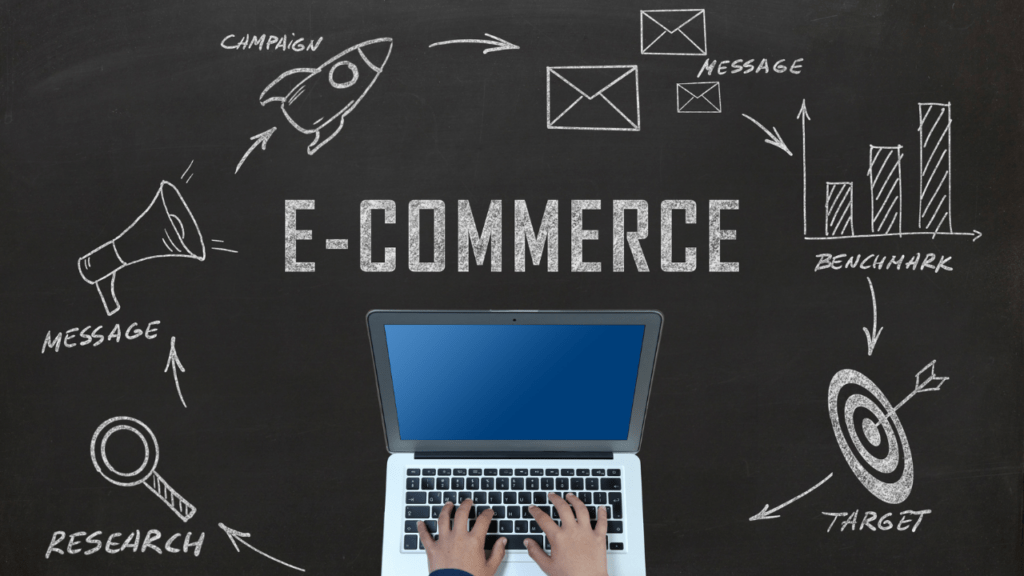
The ecommerce marketing benefits extend across multiple dimensions of your business. Digital channels provide:
- Precise audience targeting based on demographics, interests, and behavior
- Measurable campaign performance with clear attribution
- Cost-effective scaling compared to traditional advertising
- Multiple touchpoints throughout the customer journey
- Data-driven optimization opportunities
These benefits create a foundation for sustainable business growth when implemented through comprehensive online store marketing strategies.
How Digital Marketing Helps E-Commerce Businesses Specifically
Digital marketing addresses specific e-commerce challenges: attracting qualified traffic, converting browsers into buyers, retaining customers for repeat purchases, and building brand recognition in crowded markets. Each marketing channel contributes to solving these challenges in distinct ways.
Search Engine Optimization: Building Organic Visibility
Understanding E-Commerce SEO Benefits
The ecommerce SEO benefits begin with appearing in search results when potential customers look for products you sell. SEO work focuses on technical site optimization, content relevance, and authority building through quality backlinks.
Organic search visibility provides sustainable traffic sources that continue functioning without ongoing ad spend. Once pages rank for relevant terms, they generate consistent visitor flow. Sites with strong SEO foundations can reduce paid advertising dependency over time while maintaining steady customer acquisition.
Answer Engine Optimization for Direct Responses
AEO extends your SEO strategy by focusing on visibility in conversational and zero-click search environments. To win, you need to optimize for direct questions, structured answers, user intent, and authority signals.
Implementing AEO for e-commerce means:
- Structuring product descriptions to answer common customer questions
- Using schema markup to enhance featured snippet eligibility
- Creating FAQ content that addresses specific purchase concerns
- Optimizing for voice search queries that reflect natural language patterns
- Building authority signals through comprehensive, accurate product information
This approach captures traffic from users asking questions through voice assistants, AI-powered search tools, and Google’s direct answer features.
Technical and Content Optimization
E-commerce SEO requires both technical excellence and valuable content. Site speed, mobile responsiveness, proper URL structure, and internal linking affect rankings. Product descriptions, category pages, and blog content should target relevant search terms while providing genuine value to potential customers.
Google Ads for E-Commerce: Paid Search Strategies

Immediate Search Visibility
Google Ads for ecommerce places products in front of users actively searching for what you sell. Campaigns can launch within days and begin generating traffic immediately, making paid search essential for new stores or product launches.
Shopping Campaign Format
Google Shopping ads display product images, pricing, and store information directly in search results. This format provides transparency that helps attract qualified clicks from users who have already seen your pricing and product appearance before clicking through.
Shopping campaigns work particularly well for products with visual appeal, competitive pricing, or unique features. The visual format allows your products to stand out in search results alongside text ads.
Retargeting and Remarketing
Most site visitors don’t convert on first visit. Google Ads retargeting shows ads to previous visitors as they browse other sites, maintaining brand visibility and encouraging return visits. Retargeting campaigns typically show higher conversion rates and lower costs per acquisition than cold traffic campaigns.
Social Media Marketing for E-Commerce Brands
Platform-Based Customer Reach
Social media marketing for ecommerce brands operates where users already spend time. Platforms like Instagram, Facebook, and Pinterest include shopping features that enable product discovery and purchase within the app, reducing friction in the buying process.
Each platform serves different audience demographics and use cases. Instagram suits visually-driven products and younger audiences. Facebook provides detailed targeting options and serves broader age ranges. Pinterest attracts users in planning and discovery modes.
Content That Drives Engagement
Social content should balance promotional posts with valuable, engaging material. Product showcases, customer testimonials, behind-the-scenes content, and educational posts create variety that maintains audience interest without constant selling.
Influencer Collaboration
Working with influencers provides access to established audiences. Influencer partnerships work best when aligned with your brand values and target demographic, providing social proof and product exposure through trusted voices.
Performance Marketing for E-Commerce
Results-Based Campaign Structure
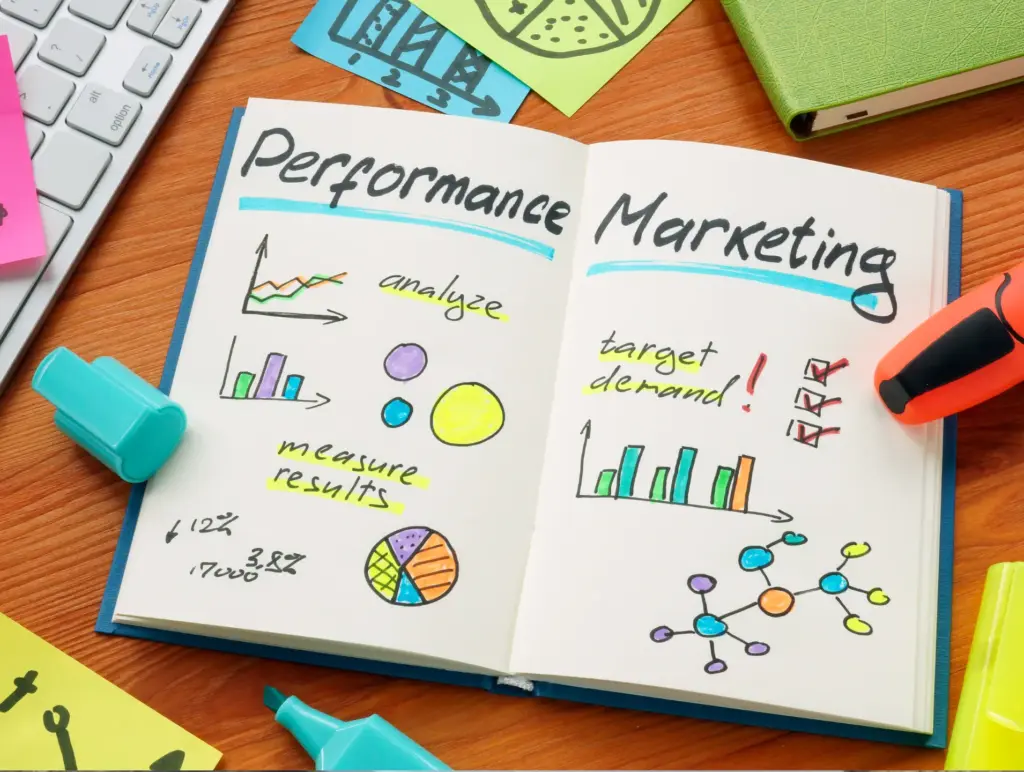
Performance marketing for ecommerce structures campaigns around specific outcomes—sales, leads, or defined actions. This model ties spending directly to measurable results, providing clear accountability for marketing investments.
Performance marketing channels include paid search, social advertising, display networks, affiliate programs, and native advertising. Each channel contributes to customer acquisition while maintaining measurable ROI.
Continuous Optimization Processes
Performance marketing requires ongoing testing of ad creative, landing pages, audience segments, and bidding strategies. Regular optimization improves campaign efficiency beyond initial results through data-driven adjustments.
Multi-Channel Integration
Effective approaches use multiple channels simultaneously to create diverse traffic sources and reduce dependency on single platforms. This integration allows budget allocation based on performance across all channels.
Strategies to Increase E-Commerce Sales with Digital Marketing
Email Marketing Implementation
Email generates consistent ROI for e-commerce operations. Automated sequences for cart abandonment, post-purchase follow-up, and product recommendations convert browsers into buyers and encourage repeat purchases.
Segmentation improves email performance by delivering relevant messages based on purchase history, browsing behavior, and customer preferences. Personalized recommendations typically outperform generic promotional emails.
Content Marketing That Supports Purchases
Product guides, comparison content, and informational articles support purchase decisions while improving SEO performance. This content establishes subject matter expertise and provides value beyond direct sales pitches.
Educational content particularly benefits complex products, technical items, or purchases requiring significant consideration. Helping customers understand products builds trust and positions your store as a reliable resource.
Conversion Rate Optimization
Improving conversion rates increases revenue without additional traffic costs. Testing checkout flows, product page layouts, calls-to-action, and site navigation identifies friction points that prevent sales completion.
Common optimization areas include reducing checkout steps, clarifying shipping costs early, improving product image quality, adding customer reviews, and streamlining mobile experiences.
E-Commerce Lead Generation Strategies
Capturing Potential Customer Information
Ecommerce lead generation strategies capture contact information from visitors not ready to purchase immediately. Methods include email signup incentives, content downloads, quiz tools, and exit-intent offers that provide value in exchange for contact details.
Lead generation proves particularly valuable for higher-priced items, products with longer consideration periods, or businesses building new brands without established recognition.
List Quality and Segmentation
Effective strategies prioritize subscriber quality over quantity. Targeting users genuinely interested in your products creates more valuable lists with higher engagement and conversion rates. Segmenting captured leads based on interests, behavior, or demographics enables more relevant follow-up communication.
Automated Nurturing Systems
Automated email sequences educate leads about products, address common objections, and provide purchase incentives. This nurturing converts leads over time rather than requiring immediate conversion, which suits considered purchases.
Understanding the ROI of Digital Marketing for E-Commerce
Campaign Attribution and Measurement
The roi of digital marketing for ecommerce can be tracked through analytics platforms that connect ad spend to revenue generation. Proper tracking shows which channels and campaigns produce positive returns, enabling strategic budget allocation.
Attribution models determine how credit for sales gets distributed across multiple touchpoints. Understanding your customer journey helps select appropriate attribution models that reflect actual marketing contribution.
Expected Return Metrics
Digital marketing ROI varies by industry, competition level, and execution quality. Well-managed campaigns typically generate 3:1 to 5:1 returns, though results differ significantly based on product margins, average order values, and market conditions.
New campaigns usually show lower initial returns that improve through optimization. Seasonal factors, competitive changes, and platform updates all affect ongoing performance.
Long-Term Value Creation
Digital marketing builds assets over time—email subscriber lists, SEO rankings, brand recognition, and customer data. These assets continue generating value beyond individual campaign expenditures, creating compounding returns.
Developing Comprehensive Online Store Marketing Strategies
Multi-Channel Framework
Successful online store marketing strategies combine multiple channels—SEO for long-term organic growth, paid advertising for immediate results, email for retention, and social media for engagement. This diversification reduces risk from algorithm changes or platform issues.
Channel selection should reflect where your target customers spend time and how they prefer to shop. B2C visual products may prioritize Instagram and Pinterest, while practical items might focus on Google Shopping and SEO.
Customer Journey Alignment
Understanding how customers move from awareness to purchase helps create appropriate messaging for each stage. Someone researching products needs different content than someone ready to buy. Mapping your customer journey enables strategic content and channel deployment.
Strategic Campaign Planning
Planning around product launches, seasonal trends, and promotional periods maximizes revenue potential. Peak shopping periods often generate disproportionate annual revenue, making preparation and execution during these times critical.
Working with a Digital Marketing Agency in Bangalore
Regional Expertise and Local Understanding
As the Best Digital Marketing Agency in Bangalore, we understand regional market characteristics including payment preferences, regional targeting needs, and local competition dynamics. This context informs strategy development for both local and national e-commerce operations.
Bangalore’s position as a technology and startup hub means high digital marketing sophistication and competitive intensity. Working with local agencies provides insight into this specific market environment.
Integrated Service Delivery
Full-service agencies manage multiple marketing channels under coordinated strategies. This integration ensures channels support each other rather than operating in isolation, creating synergistic effects that improve overall performance.
Coordinated management also provides efficiency benefits through shared customer data, unified reporting, and strategic alignment across all marketing activities.
Platform Updates and Ongoing Adaptation
Digital platforms regularly update algorithms, features, and policies. Agencies monitor these changes and adjust campaigns to maintain performance as platforms evolve, protecting your marketing investment from unexpected disruptions.
Conclusion
The benefits of digital marketing for ecommerce businesses include precise targeting, measurable performance, and scalable growth mechanisms. These advantages apply to businesses at various stages, from new launches to established operations seeking expansion.
Digital marketing helps ecommerce businesses by providing systematic approaches to customer acquisition, conversion optimization, and retention. Success requires strategic channel selection, consistent execution, and data-driven refinement.
At Mathew Digital, we develop customized strategies based on specific business objectives, competitive landscapes, and budget parameters. The effectiveness of digital marketing depends on strategy selection, execution quality, and ongoing optimization based on performance data.
FAQs
What are the main benefits of digital marketing for ecommerce businesses?
Digital marketing provides e-commerce businesses with targeted customer reach, measurable campaign performance, and cost-effective scaling. The primary benefits include access to precise audience targeting based on demographics and behavior, real-time performance tracking with clear ROI measurement, multiple channel options that fit various budgets, and the ability to optimize campaigns based on data. These advantages enable businesses to acquire customers systematically while controlling costs and measuring results accurately.
How does digital marketing help ecommerce businesses increase sales?
Digital marketing increases e-commerce sales through multiple mechanisms. SEO and content marketing attract organic traffic from customers actively searching for products. Paid advertising on Google and social platforms targets users with purchase intent. Email marketing recovers abandoned carts and encourages repeat purchases. Retargeting campaigns bring back previous visitors who didn’t convert initially. Conversion rate optimization improves the percentage of visitors who complete purchases. These strategies work together to increase both traffic volume and conversion rates, directly impacting revenue.
Why should e-commerce businesses invest in SEO?
E-commerce SEO benefits include sustainable organic traffic that doesn’t require ongoing ad spend, improved visibility for product searches, and enhanced credibility through high search rankings. SEO builds long-term value—once pages rank well, they continue generating traffic month after month. Additionally, SEO improvements like faster site speed and better mobile experience improve user satisfaction and conversion rates. AEO extends these benefits by optimizing for voice search and AI-powered search tools, capturing traffic from conversational queries and direct answer features.
What is performance marketing for ecommerce and how does it work?
Performance marketing for ecommerce is an approach where businesses pay for specific results like sales, leads, or clicks rather than just ad impressions. It works by setting clear performance targets, tracking conversions accurately, and optimizing campaigns based on cost per acquisition and return on ad spend. Performance marketing includes channels like paid search, social advertising, display ads, and affiliate programs. The key advantage is direct accountability—you can measure exactly how much revenue each marketing rupee generates, enabling data-driven budget allocation and continuous improvement.
How can e-commerce businesses measure the ROI of digital marketing?
Measuring the ROI of digital marketing for ecommerce requires tracking revenue generated against marketing costs. Use analytics platforms like Google Analytics to track conversions from different channels. Set up proper attribution to understand which touchpoints contribute to sales. Calculate key metrics including cost per acquisition, customer lifetime value, return on ad spend, and overall marketing ROI. Track both immediate conversions and longer-term value from email lists, SEO rankings, and brand awareness. Compare channel performance regularly to identify which strategies deliver the best returns and allocate budget accordingly.