
Quick Summary , What You Need to Know
- Local SEO helps nearby customers find your business on Google — by optimizing your Google Business Profile, using location-based keywords, and keeping your business details consistent everywhere online.
- The result? More local visitors, more sales, and more trust — at a lower cost than traditional advertising.
Introduction
If your business depends on local customers walking through your door, calling your number, or finding you on Google Maps, then local SEO is the single most important thing you can invest in.
In 2026, the way people discover local businesses has changed significantly. Google’s AI-powered search results, voice assistants, and zero-click searches mean that simply having a website is no longer enough. Your business needs to be optimized specifically for local discovery.
This guide covers everything you need to know about local SEO — what it is, why it matters, what’s changed in 2026, and a practical step-by-step process you can follow to start ranking in local search results.
What is Local SEO?
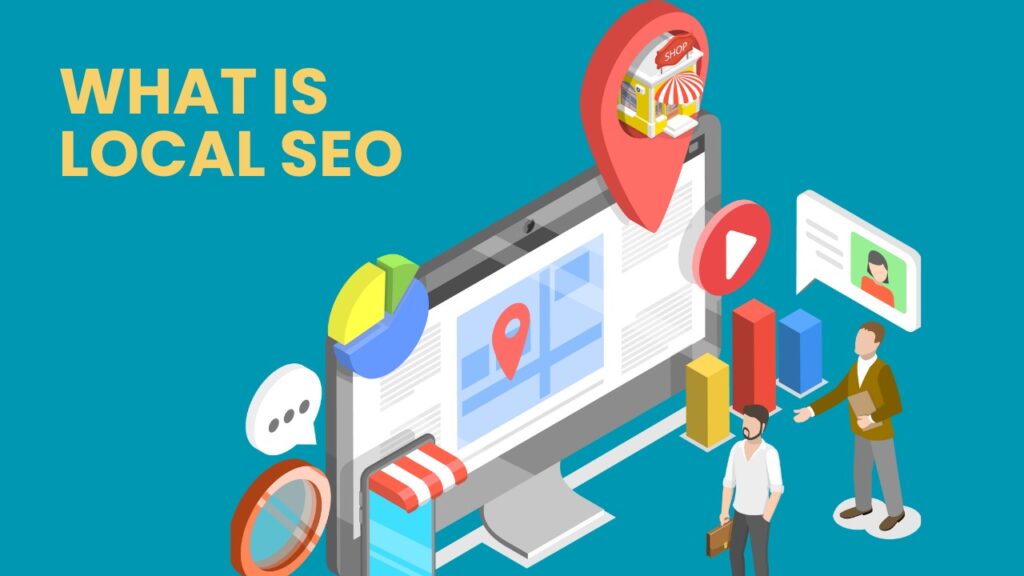
Local SEO is the process of optimizing your online presence so that your business appears when someone nearby searches for what you offer. When a person searches “coffee shop near me” or “dentist in Koramangala,” Google uses local SEO signals to decide which businesses to show.
Unlike regular SEO, which focuses on ranking nationally or globally, local SEO is specifically about visibility within a geographic area. It involves a combination of Google Business Profile optimization, local keyword targeting, review management, citation building, and location-specific content.
What’s Changed in Local SEO in 2026
Local SEO in 2026 looks very different from even two years ago. Here are the biggest shifts you need to understand:
Google’s AI Overview now appears in local searches. When someone searches for a local service, Google often shows an AI-generated summary above the traditional results. This means your business information needs to be crystal clear and consistent — because the AI pulls data from your Google Business Profile, website, and third-party listings to generate its response.
Voice search has become a major source of local queries. More people are using voice assistants to say things like “find a plumber near me” or “best biryani in HSR Layout.” Voice queries tend to be conversational and longer than typed searches. Your content needs to match how people actually talk.
Zero-click searches are increasing. Many local searchers now get the information they need (phone number, address, hours, reviews) directly from Google without ever clicking through to your website. This makes your Google Business Profile more important than your website for first impressions.
Reviews carry even more weight. Google’s algorithm in 2026 places heavier emphasis on review quality, recency, and quantity when ranking local results. Businesses that actively manage their reviews consistently outrank those that don’t.
Google Business Profile has new features. GBP now supports more detailed service descriptions, AI-generated Q&A responses, and enhanced photo/video galleries. Businesses that fully utilize these features get better visibility in the local pack.
Core Elements of Local SEO
These are the fundamental building blocks of any local SEO strategy. Each one plays a specific role in how Google evaluates and ranks your business for local searches.
1. Google Business Profile (GBP)
Your GBP listing is the single most important factor in local SEO. It’s what appears in the Google Map Pack (the top 3 local results with the map). To optimize it:
- Claim and verify your business listing if you haven’t already
- Fill out every single field — business name, address, phone, website, hours, category, description, services
- Add high-quality photos of your business (storefront, interior, team, products)
- Post regular updates using Google Posts (offers, events, news)
- Respond to every review — positive and negative
For a deeper guide on GBP optimization, read
2. NAP Consistency
NAP stands for Name, Address, and Phone Number. Your NAP must be exactly the same everywhere it appears online — your website, GBP listing, social media profiles, directories, and any other listing. Even small differences (like “Rd” vs “Road” or a missing suite number) can confuse Google and hurt your rankings.
Audit all your listings and fix any inconsistencies. Tools like BrightLocal or Moz Local can help you find and correct NAP issues across the web.
3. Local Keywords
Local keywords combine your service or product with a geographic location. Instead of targeting “dentist,” you target “dentist in Indiranagar” or “best dental clinic Bangalore.”
Use local keywords in your page titles, H1 headings, meta descriptions, image alt text, and naturally throughout your content. Don’t stuff them unnaturally — Google’s 2026 algorithm is very good at detecting this.
To learn keyword researchin detail, read
4. Local Citations
A citation is any online mention of your business name, address, and phone number. Citations help Google verify that your business is real and located where you say it is.
Get listed on these platforms:
- Google Business Profile (essential)
- Justdial, Sulekha, IndiaMART (India-specific directories)
- Yelp, Bing Places, Apple Maps
- Industry-specific directories relevant to your business
- Local Bangalore business directories and chamber of commerce listings
5. Online Reviews
Reviews are a top ranking factor for local SEO. Google looks at three things: how many reviews you have, how recent they are, and how high your rating is.
Build a simple review generation process:
- Ask every satisfied customer for a Google review (in person, via email, or via WhatsApp)
- Make it easy — send them a direct link to your Google review page
- Respond to every review within 24-48 hours
- Never buy fake reviews — Google’s detection is very accurate in 2026 and penalties are severe
6. Localized Content
Create content that’s relevant to your local area. This helps Google understand that your business is genuinely connected to the community, not just targeting a location keyword.
Examples of localized content:
- Blog posts about local events, news, or industry trends in Bangalore
- Neighbourhood-specific service pages (e.g., “Plumbing services in Whitefield”)
- Case studies featuring local clients (with their permission)
- Guides relevant to local audiences (e.g., “Best markets for wholesale supplies in Bangalore”)
7. Mobile Optimization
Over 75% of local searches happen on mobile devices. If your website doesn’t load fast and look good on a phone, you’re losing most of your potential local customers before they even see your content.
Check your mobile performance using Google’s PageSpeed Insights tool. Aim for a mobile score above 70 and a load time under 3 seconds.
8. Local Backlinks
Backlinks from other local businesses and organizations signal to Google that your business is trusted within the community. These are more valuable for local SEO than links from random websites elsewhere.
Ways to earn local backlinks:
- Sponsor local events, sports teams, or community initiatives
- Partner with complementary local businesses for cross-promotion
- Get featured in local news websites or Bangalore blogs
- Join local business associations and get listed on their websites
For more on backlink strategies, read
9. Schema Markup
Schema markup is a piece of code you add to your website that helps search engines understand your business information better. For local SEO, you should implement LocalBusiness schema that includes your business name, address, phone number, opening hours, and geographic coordinates.
If you’re using WordPress with Rank Math, you can add local business schema without touching any code — just fill in the fields in the schema settings.
How to Do Local SEO: Step-by-Step
If you’re starting from scratch, follow these steps in order:
Step 1 — Claim and fully optimize your Google Business Profile. This is your #1 priority. Fill out every field, add photos, choose the right categories, and write a clear business description with your target local keywords.
Step 2 — Audit and fix your NAP consistency. Search for your business name online and check every listing. Fix any mismatches in name, address, or phone number.
Step 3 — Optimize your website for local keywords. Add location-specific keywords to your page titles, H1 tags, meta descriptions, and content. Create separate pages for each service area if you serve multiple neighbourhoods.
Step 4 — Build local citations. Submit your business to Justdial, Sulekha, IndiaMART, Yelp, Bing Places, and any industry-specific directories relevant to your business.
Step 5 — Start collecting reviews. Set up a simple process to ask every customer for a Google review. Respond to all reviews promptly.
Step 6 — Create locally relevant content. Publish blog posts, guides, or case studies that connect your business to your local area.
Step 7 — Track your results. Use Google Search Console to monitor which local queries your site appears for. Use Google Business Profile Insights to track profile views, calls, direction requests, and website clicks.
Local SEO Examples for Bangalore Businesses
Here are some practical examples of how Bangalore businesses can apply local SEO:
- A restaurant in Koramangala should target keywords like “best biryani Koramangala” or “family restaurant near Forum Mall” rather than generic terms like “best restaurant India.”
- A dental clinic in Indiranagar should create separate service pages for each treatment (teeth whitening, root canal, braces) with Indiranagar mentioned naturally in the content.
- A home cleaning service in HSR Layout should get listed on Justdial and UrbanClap, collect Google reviews from HSR Layout customers, and create a blog post like “10 Tips for Keeping Your HSR Layout Apartment Clean During Monsoon.”
- A fitness studio in Whitefield should optimize their GBP with photos of the studio, class schedules, and encourage members to leave reviews mentioning specific classes.
Frequently Asked Questions
What are the key elements of Local SEO?
The key elements are: Google Business Profile optimization, NAP consistency (Name, Address, Phone), local citations in directories, positive online reviews, local keyword targeting, localized content creation, mobile-friendly website, and local backlinks from community businesses and organizations.
What strategies can businesses use to improve their Local SEO?
Start with claiming and fully optimizing your Google Business Profile. Then fix NAP inconsistencies across all online listings. Target local keywords on your website, build citations in Indian directories like Justdial and Sulekha, actively collect Google reviews from customers, and publish content relevant to your local area. Track progress using Google Search Console and GBP Insights.
How long does it take to see results from Local SEO?
It depends on your starting point and competition level. Most businesses start seeing improvements in local search rankings within 4-8 weeks of consistent optimization. Google Business Profile changes can reflect within days. However, building a strong local presence with reviews and citations typically takes 3-6 months of sustained effort. Competitive markets like Bangalore may take longer in high-demand categories.
How can businesses measure the success of Local SEO?
Track these metrics: local search rankings for your target keywords, Google Business Profile views and actions (calls, direction requests, website clicks), website traffic from local searches in Google Search Console, number and quality of Google reviews, and conversion rate from local visitors (inquiries, bookings, purchases). Review these metrics monthly to identify what’s working and where to improve.
Conclusion
Local SEO in 2026 is no longer optional for businesses that depend on nearby customers. The fundamentals haven’t changed — Google Business Profile optimization, NAP consistency, reviews, and local content still form the foundation. But the way Google processes and displays local results has evolved significantly with AI Overviews, voice search, and zero-click searches.
The businesses that win in local search are the ones that stay consistent: keeping their information accurate, collecting genuine reviews regularly, publishing locally relevant content, and adapting to how Google’s local algorithm evolves.
Start with Step 1 (Google Business Profile), work through the steps in order, and track your progress monthly. Local SEO is a long-term investment — but it’s one of the highest-ROI marketing strategies available for local businesses.
Need expert help with local SEO for your Bangalore business? Learn about our Local SEO services→